

September is a wonderful time to reflect on how we connect with and support one another at work. Emotional intelligence is about being aware of our own emotions, understanding how they influence our actions, and recognizing how others may be feeling. Developing these skills can improve communication, strengthen relationships, and help create a more positive and supportive workplace.
When we practice emotional intelligence, we are more likely to:
Listen with empathy
Pause before reacting in challenging situations
Support colleagues who may be facing challenges
Build trust and work more effectively together
This Month
Take a moment each day to check in with yourself:
What am I feeling right now?
How might my emotions affect my interactions?
How can I approach this situation with understanding and respect?
Small, mindful actions can go a long way in creating a workplace where people feel heard, valued, and supported. And just remember, a little empathy can make a significant difference!
Key September Dates
September 10 marks World Suicide Prevention Day, a reminder of the importance of kindness, connection, and checking in on those around us. Later in the month, on September 21, International Day of Peace, we are encouraged to reflect on the value of respect, understanding, and compassion in our interactions with others, both at work and in our everyday lives.
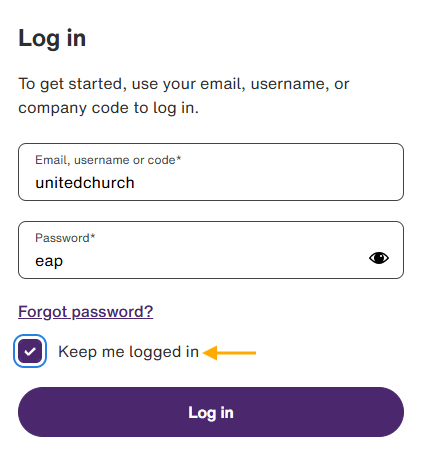
Just a reminder, if you want to access your EFAP services such as online appointment booking and live chat, you will need to create a personal account. Follow these steps to set up your account.
Website: one.telushealth.com
Don't forget to check the “Keep me logged in” box for easier access to the links!
GreenShield is planning to introduce mandatory receipt uploads for claims submitted through GreenShield+ (GS+), with a current target implementation date of September 1, 2026. This means rather than keeping receipts for future audits, members will be required to upload it during the claim submission, and GS+ will store it securely*. This change affects only out-of-pocket claims submitted by members through GS+, not claims submitted electronically by healthcare providers.
*All member data is processed/stored within Canada. They use Toronto-based servers that have been audited to meet the highest standards for data security. This includes multiple on-site and off-site encrypted backups, intrusion prevention and detection systems, and various safeguards.
If you have any questions, please contact the Benefits team at Benefits@united-church.ca.
From work meetings and online learning to social media and gaming, screens are a part of everyday life. While technology helps us stay connected and productive, too much screen time can leave us feeling mentally drained, distracted, and disconnected from the world around us.
Digital wellness is about developing healthy technology habits that support both your wellbeing and online safety. This includes managing screen time, creating healthy boundaries, and using technology responsibly. Small changes can make a big difference for adults, teens, and children alike.
Tips for Adults
Tips for Kids
Digital Wellness Challenge
Try one of these simple goals this month:
Just remember, technology is a tool. When used mindfully – and safely – it can enhance our lives without taking away from the moments that matter most. This August, challenge yourself and your family to create healthier digital habits, strengthen your online safety, and make space for rest, connection, and wellbeing.
Just a reminder, if you want to access your EFAP services such as online appointment booking and live chat, you will need to create a personal account. Follow these steps to set up your account.
Website: one.telushealth.com
Username: unitedchurch
Password: eap
Our thoughts are with all those affected by the ongoing wildfires impacting communities across Canada. These events have resulted in evacuations, disrupted lives, and created uncertainty for many individuals and families.
We recognize that our members and their loved ones may be experiencing stress, anxiety, grief, or other challenges related to these events. If you are struggling or need support, resources are available through both GreenShield and TELUS Health.
Immediate Mental Health Support - Available 24 hours a day, 7 days a week.
GreenShield 24/7 Crisis Line
For immediate mental health support, anyone in Canada can call GreenShield's crisis line to speak directly with a mental health professional.
1-833-707-4747 (English and French)
TELUS Health One
Support is available through the TELUS Health One platform and counselling services.
1-844-671-3327 (English)
1-855-360-5485 (French)
Mental Health and Wellness Online Resources
TELUS Health Employee and Family Assistance Program (EFAP)
Eligible employees and their family members can access a variety of confidential online mental health and wellness resources through the TELUS Health EFAP.
For those affected by wildfires or other emergencies, TELUS Health's Natural Disasters Toolkit provides information and resources to help individuals and families cope with the emotional, practical, and psychological impacts of natural disasters.
You Don't Have to Navigate This Alone
It is normal to experience a range of emotions during emergencies and natural disasters. If you are feeling overwhelmed, anxious, or distressed, please reach out for support. Taking care of your mental health is just as important as taking care of your physical well-being.
We encourage anyone affected by the wildfires to make use of the resources available and to check in with family, friends, colleagues, and neighbours who may also need support.
Reminder
If you want to access your EFAP services such as online appointment booking and live chat, you will need to create a personal account. Follow these steps to set up your account.
Website: one.telushealth.com
Sleep and recovery aren’t luxuries; they’re essential foundations for brain health and overall well-being. In a world that often glorifies being busy, it’s easy to overlook rest, but quality sleep is what allows your mind and body to reset, recharge, and perform at their best.
Why Sleep Matters
Sleep plays a critical role in:
Memory formation – helping your brain process and store new information
Emotional regulation – supporting resilience and balanced moods
Mental clarity – improving focus, decision-making, and creativity
When we don’t get enough rest, even simple tasks can feel harder, and stress can feel more intense.
Recovery Is More Than Sleep
True recovery includes intentional pauses throughout your day. This might look like:
Taking short breaks to reset your focus
Stepping away from screens
Engaging in calming activities like walking, stretching, or deep breathing
Recovery gives your brain space to recharge—not just overnight, but continuously.
July Moments to Reflect
July 24 – International Self-Care Day
Prioritize habits that support restful sleep, such as setting up a consistent bedtime, limiting screen time before bed, and creating a calming nighttime routine.
July 30 – International Day of Friendship
Strong social connections help reduce stress and improve sleep quality. Reach out to a friend, share a conversation, and nurture the relationships that support your well-being.
Small Steps, Big Impact
This month, challenge yourself to:
Stick to a consistent sleep schedule (even on weekends!)
Create a relaxing wind-down routine
Make time for meaningful connection and self-care
Your brain, body, and overall health will thank you!
Just a reminder, if you want to access your EFAP services such as online appointment booking and live chat, you will need to create a personal account. Follow these steps to set up your account.
Website: one.telushealth.com
Username: unitedchurch
Password: eap
This June, we’re focusing on connection and community, two essential pillars of social wellbeing. When we take time to build meaningful relationships at work, we create more than just a productive environment—we foster a culture of support, collaboration, and belonging.
In today’s fast-paced and often hybrid workplaces, connection doesn’t always happen by chance. It takes intention. Whether it’s a quick check-in with a colleague, participating in team discussions, or simply taking a moment to listen, these small acts can have a big impact. Strong workplace relationships can boost morale, encourage open communication, and help us feel more engaged and supported in our roles.
Why Connection Matters
Social wellbeing thrives when we feel seen, heard, and valued. A sense of community at work can:
Honoring Pride Month
June is also Pride Month, a time to celebrate and support the 2S and LGBTQIA+ community. It’s an important reminder that true connection starts with inclusion, respect, and authenticity. Creating a workplace where everyone feels safe to be themselves is key to building a strong, connected community.
Pride Month encourages each of us to reflect on how we can contribute to a more inclusive environment, because when we embrace differences and celebrate individuality, we strengthen the fabric of our workplace community.
Small Ways to Build Connection
Just a reminder, if you want to access your EFAP services such as online appointment booking and live chat, you will need to create a personal account. Follow these steps to set up your account.
Website: one.telushealth.com
Username: unitedchurch
Password: eap
May is Global Mental Health Awareness Month, a time to recognize a crucial truth: mental health isn’t optional—it’s essential. Just as we care for our physical wellbeing, nurturing our mental and emotional health plays a vital role in living a balanced, fulfilling life.
Mental health shapes how we think, feel, relate to others, and handle daily life. By taking care of our mental wellbeing, we build resilience, sharpen our focus and creativity, and nurture stronger relationships. Above all, it’s a reminder that it’s okay to struggle, and reaching out for support is always a valuable step.
Why Mental Health Awareness Matters
Small Actions Can Make a Big Difference
Caring for your mental health doesn’t require major changes. A few simple, everyday habits can help:
Support Is Always Available
Mental health experiences are deeply personal, but no one should have to navigate them alone. If you’re feeling overwhelmed, stressed, or simply not yourself, reaching out for support is a sign of strength. Explore your EFAP, or consider speaking with a mental health professional.
This May (and every month!), let’s continue to create a community where mental health matters. Check in with yourself. Check in with each other. Together, we can foster a healthier, more compassionate workplace for all.
Just a reminder, if you want to access your EFAP services such as online appointment booking and live chat, you will need to create a personal account. Follow these steps to set up your account.
Website: one.telushealth.com
Username: unitedchurch
Password: eap
In our busy day-to-day lives, movement can easily become just another task to check off the list. Mindful movement invites us to slow down and reconnect by being fully present as we move—tuning into our bodies, breathing with intention, and letting go of distractions rather than focusing on performance or outcomes. Practiced this way, physical activity supports not only strength, but also mental health, emotional wellbeing, reduced stress, improved focus, and a greater sense of balance throughout the day.
What does mindful movement look like?
Mindful movement doesn’t have to be complicated or time-consuming. It can include:
Easy ways to integrate it into your routine
Mindful Movement Challenge
Choose one moment each workday to practice mindful movement for five minutes, then pay attention to how your body feels before and after:
At the end of the week, reflect:
Small, mindful moments add up. Just remember, wellness is a journey, not a destination, so keep moving in ways that feel good to you.
Just a reminder, if you want to access your EFAP services such as online appointment booking and live chat, you will need to create a personal account. Follow these steps to set up your account.
Website: one.telushealth.com
Username: unitedchurch
Password: eap
As part of our ongoing commitment to strengthen the Care Navigation experience, plan members will now see Medical Second Opinion listed under Telemedicine on GreenShield+. This enhancement, introduced on January 1, directs members to a cobranded landing page where they can easily submit a request online. Members who prefer phone support can continue to reach Novus Health directly at 1‑855‑908‑1275 to speak with a Health Information Specialist.
What this means for plan members
Beginning January 1, 2026:
Get answers to your questions
Novus Health’s Medical Second Opinion Program can help you get answers to your questions, such as:
This transition strengthens the long‑term vision for Care Navigation and ensures members continue receiving trusted, high‑quality guidance when navigating important health decisions.
Women’s health evolves in meaningful ways from youth through later adulthood. Each life stage brings its own set of changes - physical, emotional, and hormonal - so in recognition of International Women’s Day on March 8, we’re highlighting the importance of awareness, proactive care and early support for women at every stage of life.
During their lifetime, women may experience shifts in menstrual health, reproductive needs, fertility, mental wellbeing, and later in life, the transition through perimenopause and menopause. Understanding these changes helps women make informed decisions and seek support that reflects their unique needs at each stage.
This month, we’re focusing on awareness around women’s health, with an emphasis on:
Every woman’s journey is different—but access to information, care, and supportive environments can make a significant difference in long-term health and quality of life.
By increasing awareness, we can create space for understanding, empowerment, and healthier outcomes for women at every age.
Just a reminder, if you want to access your EFAP services such as online appointment booking and live chat, you will need to create a personal account. Follow these steps to set up your account.
Website: one.telushealth.com
Username: unitedchurch
Password: eap